In three steps, together with our clients and planning partners, we develop a strategic design concept. This concept guides us throughout the entire process – from the first sketches and each successive design decision to the moment when the lighting is finally switched on, often years later.
We present the Trias openly here. It can be grasped quickly and serves as a shared language for everyone involved in a project. The composition itself, however — the actual design that emerges through these tools — remains, in every case, a unique solution developed collaboratively.
The first step,
the first element of the reflexionTrias
Before we design luminaries and their positions, we examine the space along three axes:
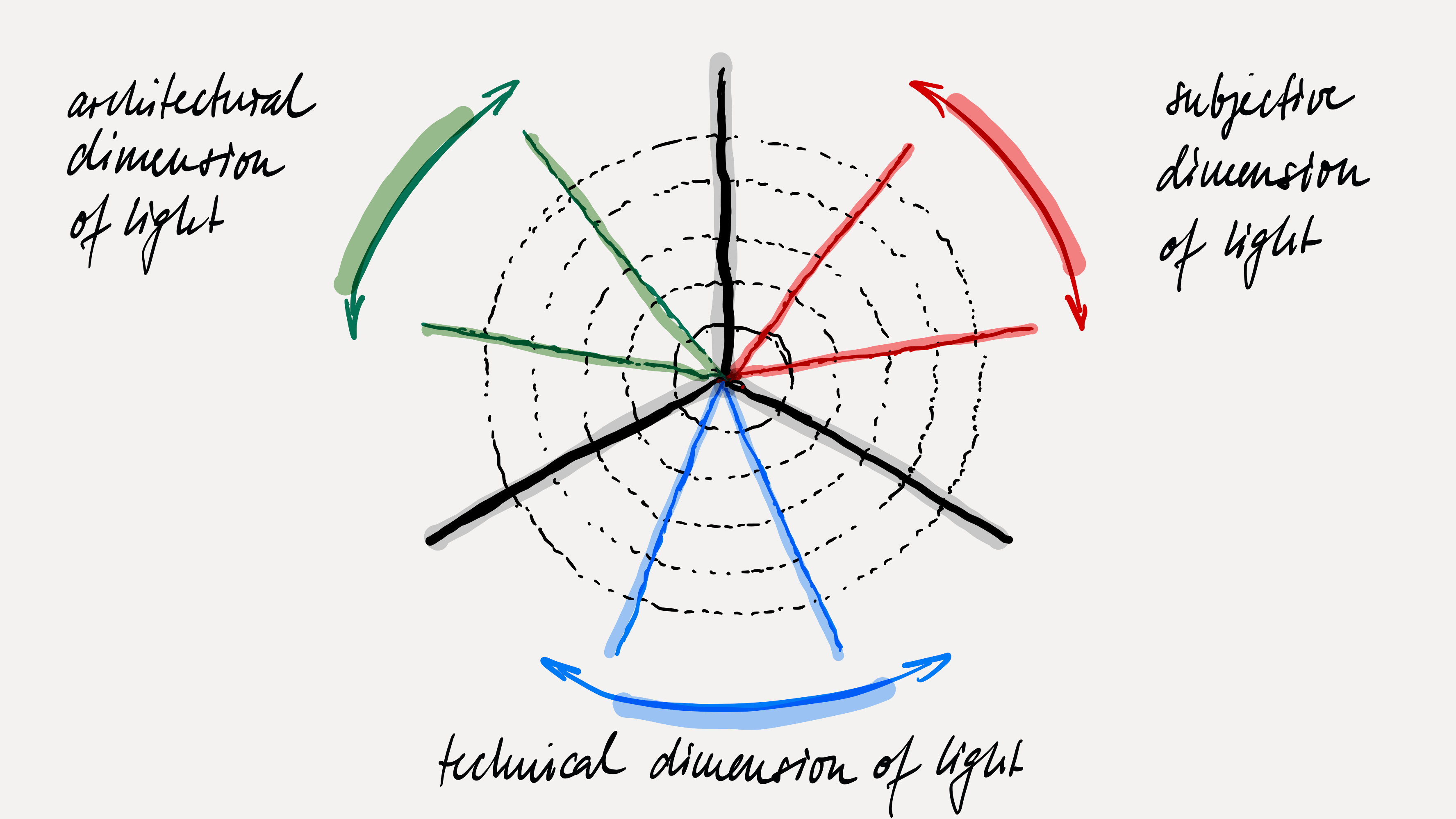
The architectural dimension of light – How does the light engage with the built context in its interior, exterior and urban dimensions? Does it follow the architecture, heighten it, or quietly integrate itself?
The technical dimension of light – What do standards and function require? Illuminance levels, glare ratings, safety, efficiency and maintenance.
The subjective dimension of light – How is the space experienced? What does the person entering it seek — calm, concentration, orientation or dynamism?
The spider diagram shows where the project places its emphasis. A functional building will lean almost entirely towards the technical axis. An institutional administrative building often derives much of its presence from its architectural expression. A private residence is shaped primarily by subjective needs: well-being, intimacy and personal aesthetics. Only when these priorities and the interplay between them have been clarified does the design process truly begin.
The second step,
the second element of the reflexionTrias
Every lighting project requires a considered combination of three generic means of light – we speak deliberately of tool categories, rather than products:
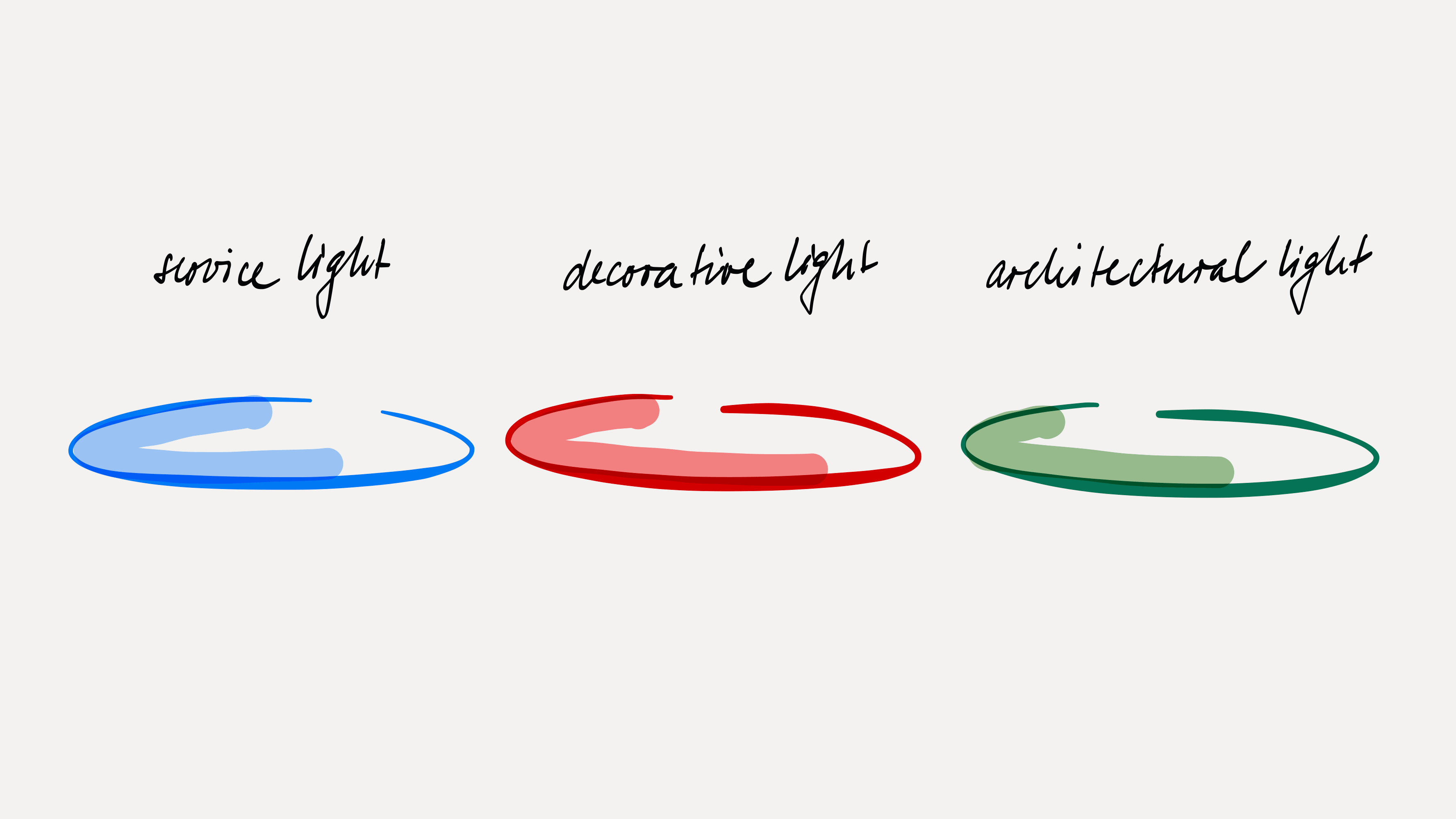
Service light – Light that fulfils the functional requirements of form and use. The luminaire is efficient and unobtrusive. Like a good butler.
Decorative light – Light that enriches and adorns the space. The luminaire itself becomes an architectural and aesthetic object.
Architectural light – Light integrated into the fabric of the building. Backlighting, light slots, furniture-integrated solutions and indirect illumination articulate the form of the space and its elements in a generous, tranquil gesture.
To rely on only one of these means is to simplify the task. Lighting design, as we understand it, lies in mastering the composition of all three. It demands critical distance from the individual product and discipline in establishing the right balance.
The third step,
the third element of the reflexionTrias
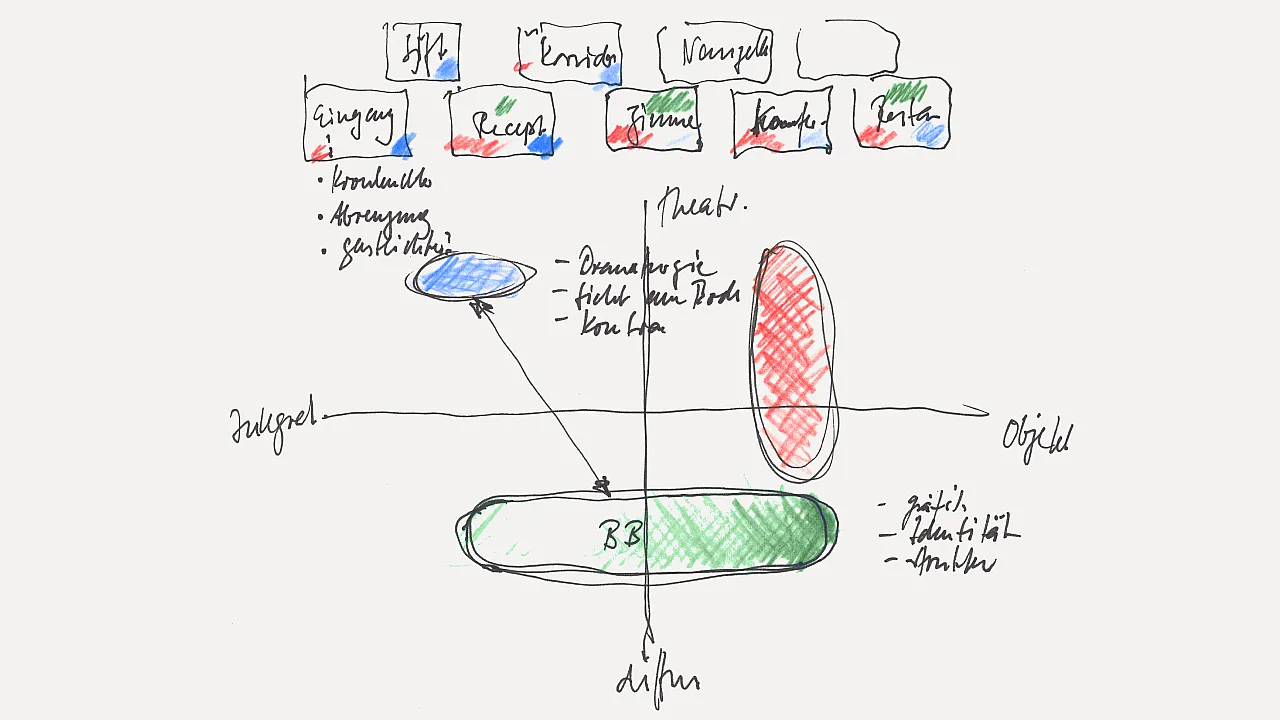
The first two steps define the project in all its objective respects. What remains is atmosphere, which emerges from two additional axes:
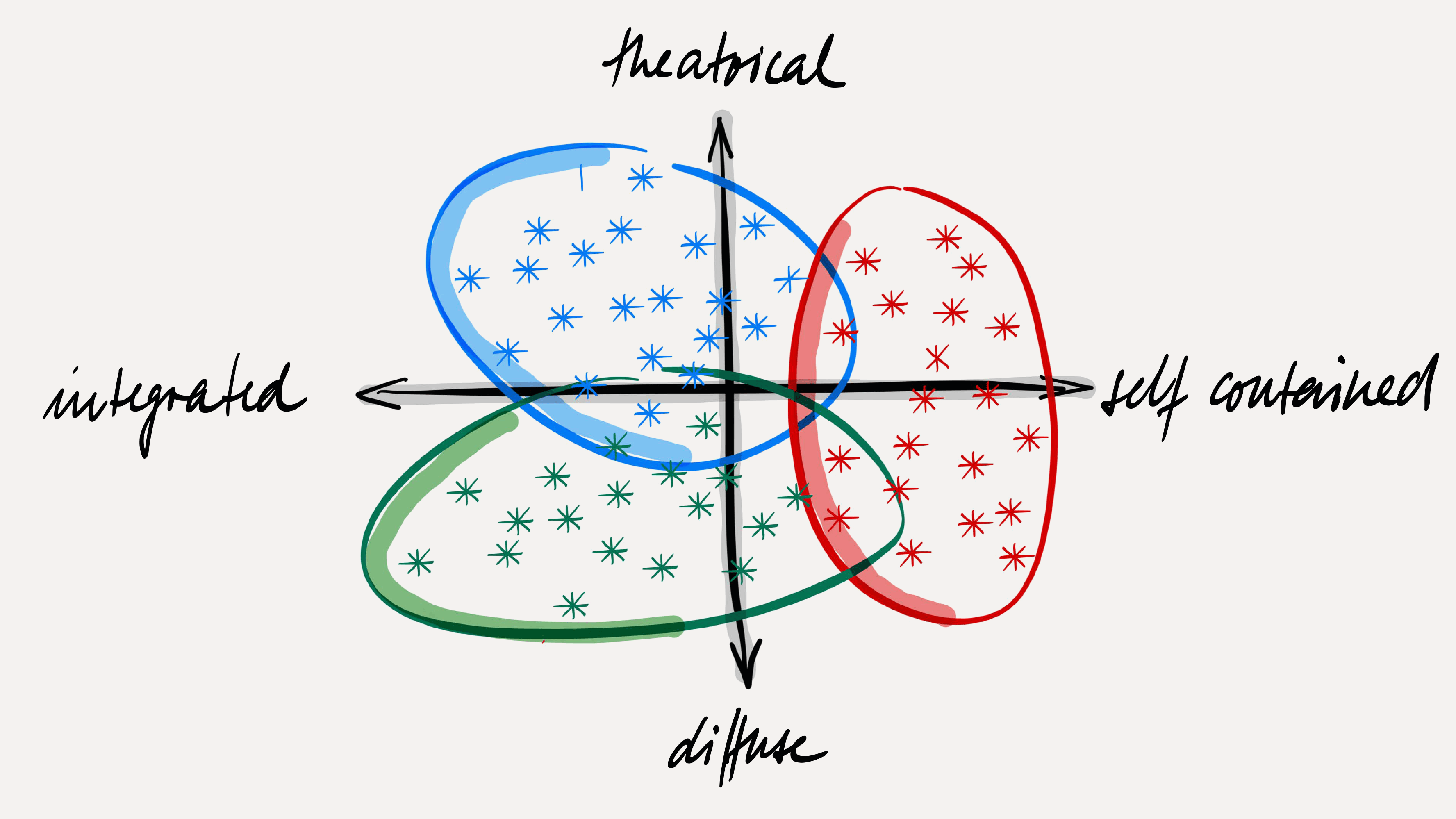
Theatrical ↔ diffuse – How hard or soft is the light? How much contrast, how much gentleness?
Integrated ↔ self-contained – Is the luminaire woven into the architecture, or does it exist as an object in its own right?
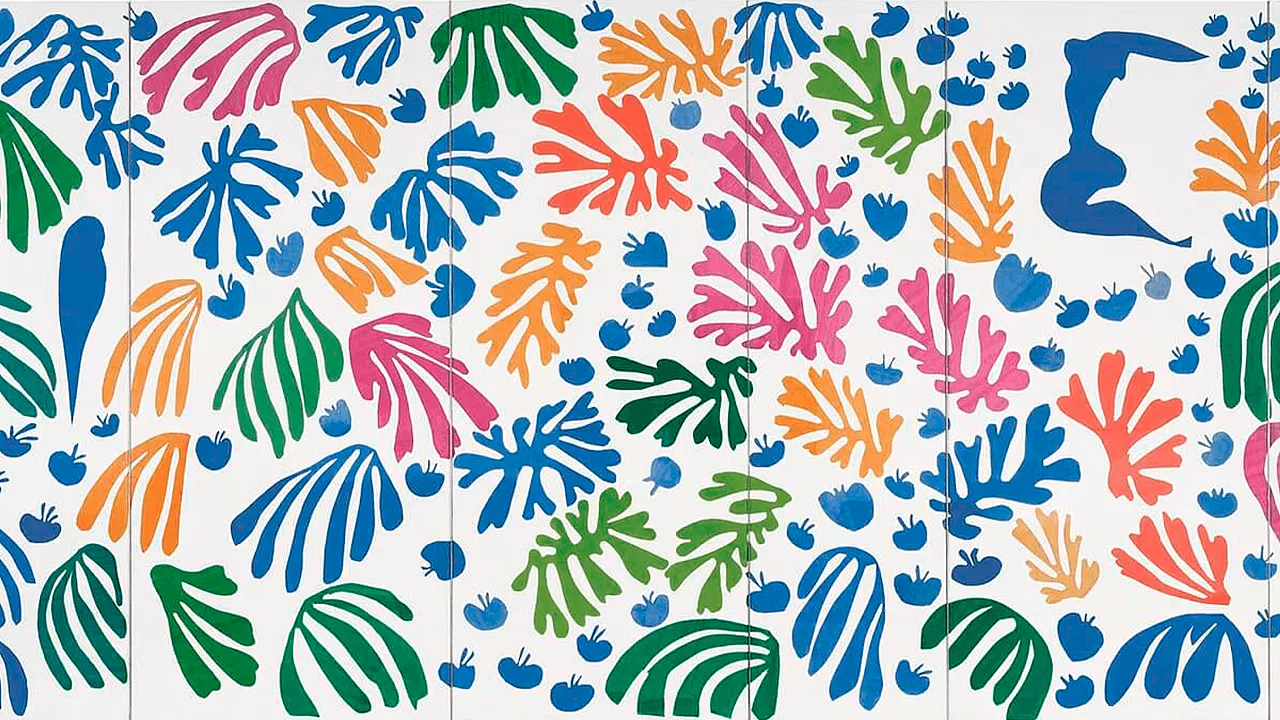
Within this matrix, we define a target field for each space, and position each means of light accordingly. Here ends what can be taught as method. The atmosphere matrix requires the ability to imagine a mood before it exists. That is the moment of inspiration of which Matisse speaks.
Consult us early in the process.
Lighting design begins earlier than most people imagine – ideally before the search for luminaries has even begun. Do have you a project in its early stages? Then now is the right moment. We look forward to hearing from you.